

Yoga & Movement
Yoga for Gut Health & Digestion
Discover how yoga supports digestion through the gut-brain axis. Learn simple poses, breathing techniques, and chair-friendly practices to reduce bloating and promote digestive wellness.
Digestive health is closely connected to the nervous system. When stress rises, digestion often slows. When the body relaxes, digestion becomes more efficient. Yoga supports this process by calming the nervous system through breathing, gentle movement, and mindful awareness. These practices activate the vagus nerve, stimulate motility, reduce bloating, and support a healthy inflammatory response.
Why Gut‑Focused Yoga Works
The gut isn’t just a digestion machine — it’s a nerve‑dense, hormone‑producing, stress‑sensitive ecosystem. Yoga helps it function better through three mechanisms:
Vagal stimulation — gentle movement + breath activates the vagus nerve, improving motility and reducing inflammation.
Mechanical compression — twists, folds, and abdominal engagement increase circulation to digestive organs.
Stress reduction — lower cortisol = better digestion, less bloating, fewer IBS flares.
This is not about “detoxing.” It’s about supporting the gut’s natural processes through movement that’s accessible to all ages and abilities.
Who This Practice Helps
People with bloating, sluggish digestion, or IBS‑type symptoms
Anyone dealing with stress‑related gut issues
Adults 40+ navigating hormonal shifts
Beginners who want gentle, non‑intimidating movement
Anyone seeking simple, sustainable daily routines
Suggested Daily Flow
Morning
Deep Belly Breathing
Cat-Cow
Alternate Nostril Breathing
After Meals
Standing Side Bend
Seated Cat-Cow
Gentle Walking
Evening
Child's Pose
Supine Twist
10‑Minute Daily Gut Reset — Where to Start + How to Flow Through It
Deep Belly Breathing – 2 min
Cat-Cow – 1 min
Seated Twist – 1 min each side
Knees-to-Chest – 2 min
Child's Pose – 2 min
Gentle Walking – 2 min
This guide includes both regular yoga practices and chair‑adapted versions for seniors or anyone with limited mobility.
Practice / Pose | Benefit | Best Time | Frequency/ Minutes | Dosha Balance | How to Do the Regular Practice | How to Do Using a Chair (Seniors / Anyone with Limitations) | Why It Helps | When to Avoid |
|---|---|---|---|---|---|---|---|---|
Anulom Vilom-Alternate Nostril Breathing | Classic pranayama for gut–brain axis Balances nervous system, improves motility | Morning or evening | Daily • 3–5 min | Vata & Pitta | Sit tall. Close right nostril, inhale left. Close left, exhale right. Repeat opposite side. 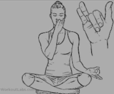 | Sit upright with back supported. Keep feet grounded (if not use block or cushion). Perform the same nostril pattern with elbows resting on armrests or lap. | Balances sympathetic/parasympathetic activity → steadier gut rhythm. | Avoid during heavy congestion, sinus infection, or if breath feels strained. |
Deep Belly Breathing | Diaphragmatic activation - Stimulates the diaphragm, Activates parasympathetic tone, Activates the vagus nerve and relaxes the gut | Morning or evening | Daily • 2–5 min | Vata | Sit or lie down. Inhale to expand belly, exhale to soften. 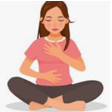 | Sit back in chair. Place hands on belly. Keep spine supported. Breathe slowly, letting belly expand forward. 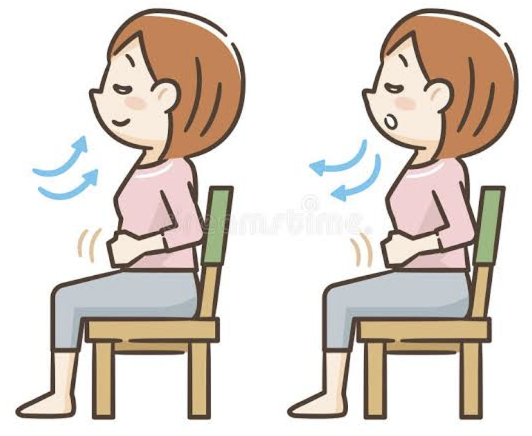 | Stimulates vagus nerve → reduces gut tension + improves motility. | Avoid breath holds if anxious; modify during pregnancy. |
Cat–Cow | Organ massage, Boosts motility, Mobilizes the spine | Morning | Daily • 1–2 min | Kapha & Vata | On hands and knees, arch and round spine. 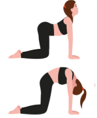 | Sit tall. Inhale to lift chest (Cow). Exhale to round spine (Cat). Hands on thighs for support. 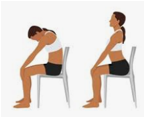 | Spinal motion massages abdominal organs → encourages peristalsis. | Avoid right after meals or with acute back pain. |
Knees‑to‑Chest | Releases gas, bloating relief | Anytime except right after meals | Daily • 1–2 min | Vata | Lie on back, hug knees in, rock gently.  | Sit back. Lift one knee toward chest using hands or a strap. Hold gently. Repeat other side. 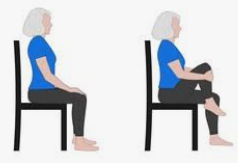 | Compression releases trapped gas + relaxes lower abdomen. Avoid within 1 hour of eating; avoid if hip flexion is restricted. | Avoid within 1 hour of eating; avoid if hip flexion is restricted. |
Seated Twist | Digestive stimulation, Supports natural elimination | 2–3 hrs after meals | 3–4×/week • 1 min each side | Pitta & Kapha | Sit tall, lengthen spine, twist gently. 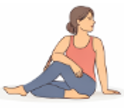 | Sit sideways on chair or stay centered. Hold the backrest lightly and twist gently without straining. 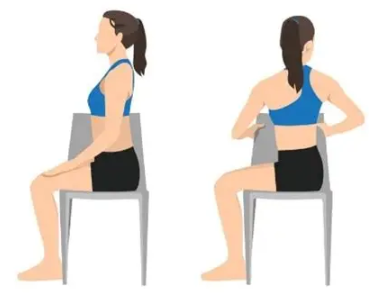 | Twisting compresses + decompresses intestines → stimulates motility. | Avoid during acute reflux flare or sharp spinal pain. |
Child’s Pose | Calms gut–brain axis, Reduces stress | Evening | Daily • 1–2 min | Vata & Pitta | Kneel, fold forward, rest belly on thighs.  | Sit and fold forward onto thighs or onto a table/pillow. Let belly soften and breath slow.  | Forward folding activates parasympathetic response → reduces gut tension. | Avoid right after meals or with severe knee discomfort if doing on the floor |
Supine Twist | Colon massage, Eases heaviness, Supports healthy digestive function & release tension | Evening | Daily • 1–2 min each side | Pitta & Kapha | Lie on back, drop knees to one side. 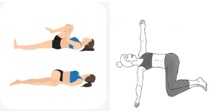 | Sit tall. Cross one knee over the other and twist gently. Or twist from ribs while feet stay grounded.  | Gentle rotation massages colon → supports elimination. | Avoid if twisting increases nerve symptoms or dizziness. |
Standing Side Bend | Opens side body, Supports gastric emptying | After meals | Daily • 30–60 sec each side | Kapha | Stand tall, reach arm overhead, lean gently. 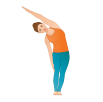 | Sit upright. Reach one arm overhead or place hand on hip. Lean gently to the side. 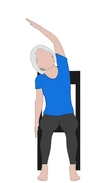 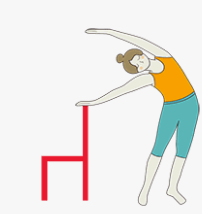 | Opens side waist → reduces post‑meal pressure + improves lymph flow. | Avoid overhead reach with shoulder issues; keep movement small if dizzy. |
Seated Cat–Cow | Gentle mobility, Reduces post‑meal heaviness | After meals | As needed • 1 min | Kapha & Vata | Sit upright, inhale lift chest, exhale round spine. 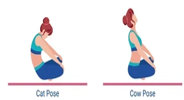 | Same movement, but with back supported. Hands on thighs for stability. 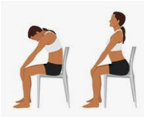 | Mild spinal motion improves circulation around digestive organs. | Avoid deep rounding if stenosis or nerve compression is present. |
Gentle Walking | Improves digestion, Supports blood flow, Supports gastric emptying | After meals | Daily • 5–10 min | Kapha & Vata | Walk slowly, relaxed pace. 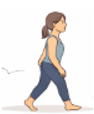 | Seated Leg Marching/ Standing Marching. Use walker or hold chair back for support. Or do “marching in place” seated for 1–2 minutes. 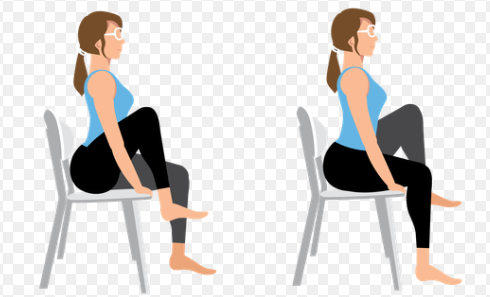 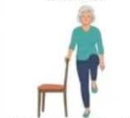 | Movement increases gastric emptying → reduces heaviness + reflux. | Avoid uneven terrain; choose indoor or supported walking if unstable. |
Supported Forward Lean | Encourages relaxation, Relieves fullness | After meals | As needed • 1–2 min | Pitta | Lean forward onto table or thighs.  | Sit and lean forward onto a table, pillow, or folded arms. Keep belly soft and breath gentle. 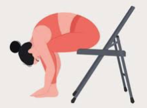 | Forward leaning relaxes abdominal wall → eases fullness + pressure. | Keep angle gentle if reflux‑prone; avoid if leaning triggers dizziness. |
Takeaway
Persistent digestive symptoms, severe abdominal pain, unexplained weight loss, GI bleeding, or ongoing bowel changes should be evaluated by a healthcare professional. Yoga is a supportive practice, not a substitute for medical care.
Yoga is one of the most accessible natural tools for digestive health—not a quick fix, but a consistent practice that supports gut motility, reduces bloating, and calms the nervous system. It doesn't require intensity, flexibility, or long sessions—just consistency and mindful movement. Even a few minutes a day can create meaningful change.
Healthy digestion starts with a calm nervous system, and yoga provides one of the simplest ways to support both.